
Downtown Santa Ana
Questions for homes, storefronts, offices and mixed-use properties where access and the affected space matter to the request.
Explore the Downtown guideFrom a faulty outlet to a panel upgrade or a home EV charger, find a clear next step for your electrical project in Santa Ana.
ProVolt is a lead-generation service that may connect you with independent electrical service providers.
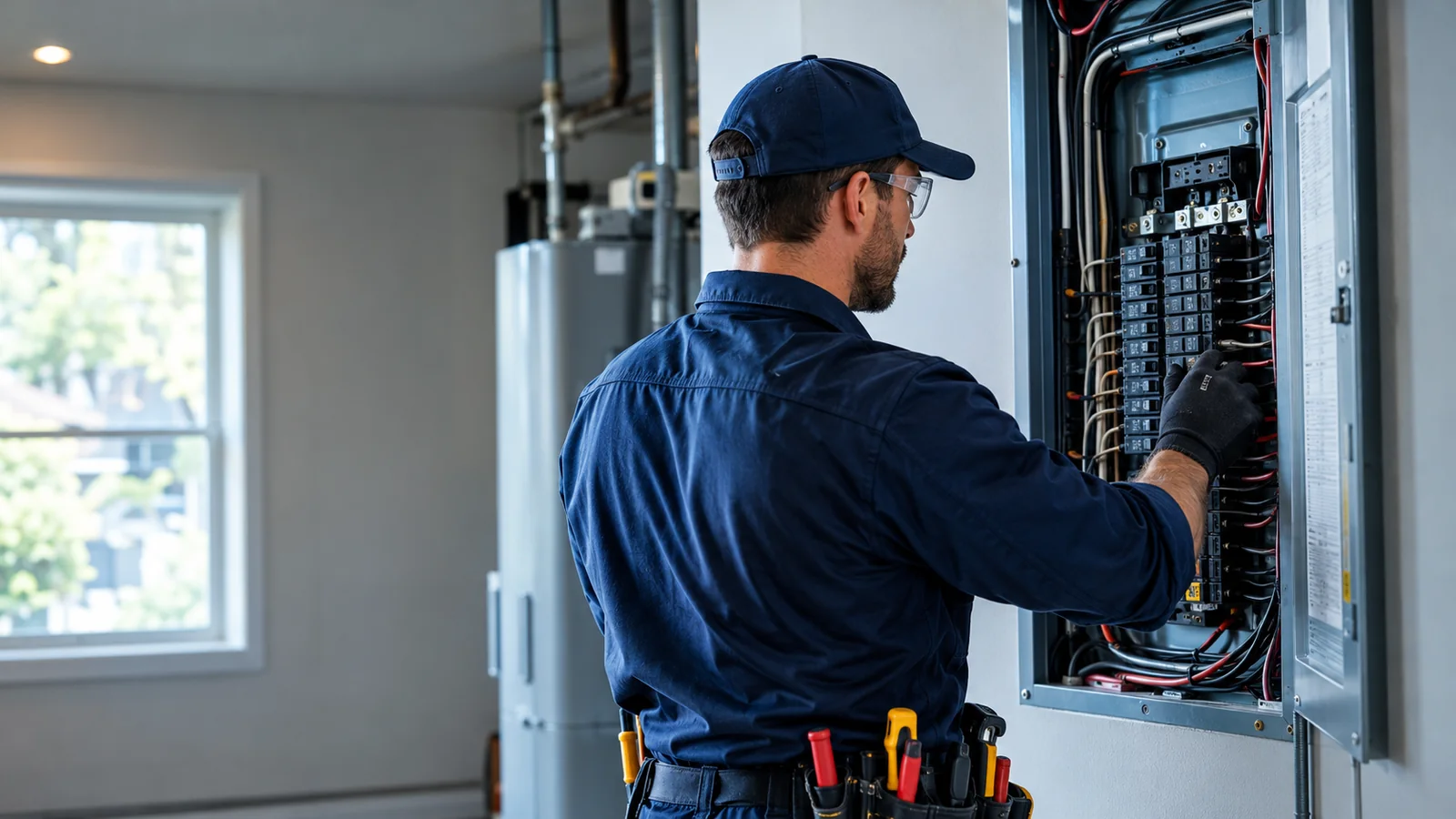
Repairs, upgrades and installations for residential spaces.
Know when to stop using a faulty outlet or circuit and ask for help.
Explore service options for offices, shops and other business spaces.
Start here to discuss an electrical repair, installation, upgrade, or inspection in Santa Ana, California. Service coverage and appointment availability are confirmed with the independent provider handling your request.
Property type, past updates and intended use all affect an electrical project. Choose a neighborhood guide for local planning context, then confirm coverage and availability for the exact address with the independent provider.
Questions for homes, storefronts, offices and mixed-use properties where access and the affected space matter to the request.
Explore the Downtown guidePlan an inspection, repair or renovation with attention to the specific home, existing system and finishes the owner wants to preserve.
Explore the Floral Park guideExplore wiring, lighting and safety assessment questions for residential properties with varied histories and renovation needs.
Explore the French Park guideThink through panel capacity, home EV charging, fans and device updates for the way the property is used today.
Explore the Wilshire Square guideOrganize inspection, wiring, new-circuit and installation questions for an established residential area.
Explore the Park Santiago guideFor broader electrical help in Santa Ana, start with the homepage guide; these neighborhood pages add context but do not replace confirming exact coverage for a property.
For additional local planning context, compare the guides for Downtown Santa Ana, Floral Park, French Park, Wilshire Square and Park Santiago. Each discusses different property-use and project-planning questions; confirm the exact address and current provider coverage before arranging a visit.
Choose the service that best matches the issue or installation you have in mind. If you are unsure, call and explain what you are seeing.
For urgent electrical concerns, burning smells, sparking or sudden electrical problems, learn what to do next.
Explore emergency helpExplore panel replacement, breaker box concerns and options when your electrical capacity needs review.
Explore panel upgradesLearn about standby generators, transfer switches and planning for backup power at home.
Explore generatorsPlan a Level 2 home charger, dedicated circuit and an electrical-capacity assessment.
Explore EV chargingGet direction for loose, damaged or nonworking outlets, GFCI outlets and replacements.
Explore outlet servicesAsk about dimmer, smart and 3-way switches or a switch that is not working properly.
Explore switch servicesExplore ceiling fans, fan-rated supports and bathroom exhaust fan installations.
Explore fan installationDiscuss older wiring, remodeling needs and whether an electrical assessment may be useful.
Explore rewiringExplore electrical repair, lighting, installation and upgrade needs for business properties.
Explore commercial servicesLearn about home electrical safety checks and when to ask a qualified professional to assess a concern.
Explore inspectionsElectrical work can feel complicated. The first step is simply explaining the issue or project so you can understand the available next steps.
Learn how ProVolt worksCall and describe the problem, the type of property and any warning signs you have noticed.
ProVolt may connect your inquiry with an independent electrical service provider. Coverage and availability need to be confirmed.
Before authorizing work, confirm who will perform it, the scope, pricing and timing, and ask the provider about any license or certification that applies to the specific work.
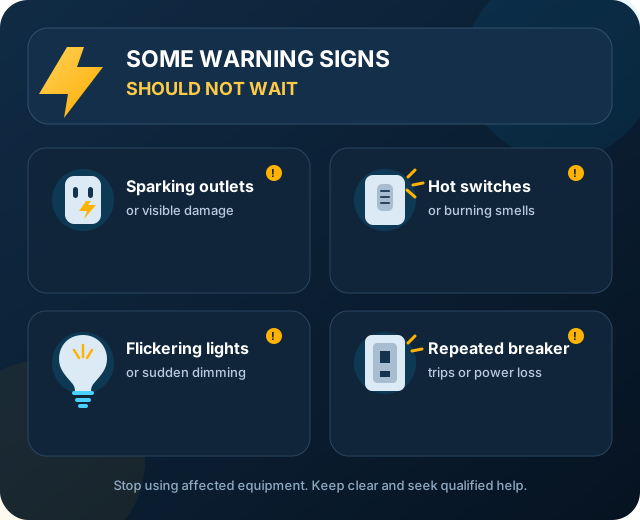
If an outlet or switch is sparking, hot, smoking or giving off a burning smell, stop using it and keep people away. If there is smoke or fire, leave the area and contact emergency services.
Do not touch exposed wires or attempt repairs on energized equipment. If you can safely do so without approaching the hazard, stop using the affected circuit and seek qualified help.
Read about urgent electrical concernsElectrical concerns range from one faulty device to a project that changes how a home or business uses power. The most useful first step is to describe the symptom or goal clearly, then match the request to the right type of assessment.
A dead outlet, a switch that feels different, repeated breaker trips, or lights that dim when equipment starts can have more than one cause. Avoid assuming that the visible device is the only issue. A problem at an outlet could involve the receptacle, a connection, a circuit, a protective device, or the appliance plugged into it. For urgent signs such as smoke, sparking, a burning smell, or a hot electrical faceplate, stop using the affected area and review the safety guidance on our urgent electrical help page.
For a loose, damaged, warm, or nonworking receptacle, an outlet repair or installation assessment can help determine whether the device, wiring, grounding, or protective arrangement needs attention. A switch that buzzes, sticks, feels hot, or operates inconsistently may need a different assessment; learn more about light-switch installation and replacement options before choosing a dimmer, smart switch, or multi-way control.
Electrical equipment is selected around the loads it must support, the condition of the existing wiring, and the way a building will be used. Adding a large appliance, workshop equipment, or new circuit may require an assessment of the service panel and available capacity. Our guide to electrical panel upgrades explains the questions to raise before planning a breaker-box replacement or capacity change.
Drivers considering home charging can start with the Level 2 EV charger installation guide, which covers circuit planning, charger location, access to parking, and how an electrician may assess panel capacity. Backup-power projects have their own considerations: a standby generator installation may involve transfer equipment, fuel selection, placement, permit requirements, and a plan for which circuits should remain powered during an outage.
Fixtures and older wiring also deserve project-specific planning. A ceiling fan needs suitable mounting support and electrical connections; the fan installation guide explains why an existing light box should not automatically be assumed to be fan-rated. A home with older, altered, or damaged wiring may need an assessment before walls are opened or new circuits are added. Read about whole-home rewiring considerations to understand the questions that help distinguish a small repair from a broader wiring project.
Commercial spaces bring additional operating needs: lighting, equipment, dedicated circuits, tenant improvements, access windows, and keeping work coordinated with the business. The commercial electrical services guide outlines the information that helps describe a workplace project. If you are buying, renovating, or reviewing a property, an electrical inspection and safety review can help you ask informed questions about visible conditions and the scope of any further evaluation.
Describe what happened, when it happens, and whether it affects one device or a larger part of the property. You do not need to diagnose the fault yourself.
A hot outlet or switch, burning odor, visible arcing, smoke, or a buzzing sound that comes with heat deserves caution. Stop using the affected equipment and keep people away. If there is fire, active smoke, or immediate danger, leave the area and contact emergency services. Do not remove covers or touch exposed wiring.
A breaker is a protective device, not a switch to reset over and over until a problem disappears. Repeated trips may reflect an overloaded circuit, a damaged appliance, a short, a ground fault, or an equipment issue. Stop using the affected load and explain what was operating when the trip occurred.
Note whether one light, a group of rooms, or the whole property is affected. Record whether the symptom appears when a large appliance starts, during rain, after recent work, or without an obvious trigger. Avoid opening fixtures or panels; those details help a qualified provider decide what to investigate.
For a charger, generator, new lighting, fan, workshop tool, or remodel, gather the equipment model and the intended location if you have them. A provider may need to review available circuit capacity, wire routing, mounting support, service-panel details, and permit requirements before suggesting a design.
Photos taken from a safe distance may help explain a non-urgent issue. Never approach smoke, sparking equipment, exposed wiring, a wet electrical panel, or any condition that feels unsafe just to take a picture.
Good electrical troubleshooting starts with the full set of symptoms and the conditions around them—not with automatically replacing the first visible part.
Tell the provider whether the problem is constant or intermittent, which rooms or devices are affected, and whether anything changed shortly before it began. Mention recent appliance installation, construction, water intrusion, a storm, or an unusual sound or odor. A single light that flickers and several rooms that lose power are different clues, even if both are described as “electrical problems.”
Electrical components work as a system. The device being used, its cord, the receptacle, branch-circuit wiring, protective devices, and panel connections may all be relevant. For example, repeatedly tripping protection can be related to excessive load or a fault; replacing a breaker without finding the reason may leave the underlying condition unresolved. Avoid opening the panel or making live measurements yourself.
When the goal is an installation rather than a repair, the assessment considers what the equipment requires and where it will be used. A home EV charger, standby generator, fan, lighting control, or commercial appliance may have distinct instructions and installation requirements. Share the model number, installation manual, location and operating goals when available; a provider can use those details to discuss options.
Ask what was found, which work is recommended, whether alternatives exist, and what is included in the estimate. Clarify parts, labor, access, permits, inspections, restoration of finishes, cleanup, and any follow-up that could affect the total. The independent provider doing the work should explain the scope and answer technical questions before you agree to proceed.
For a property purchase, renovation, or recurring concern, ask whether a focused repair visit is enough or whether a broader electrical inspection would be more suitable. The answer depends on the property, the question being asked, the visible conditions, and any applicable inspection requirements.
There is no reliable single price for every electrical job. The total depends on the issue, scope, property conditions, parts and any required approvals. Use the factors below to prepare useful questions rather than relying on a broad online estimate.
| Cost factor | Why it matters | What to ask |
|---|---|---|
| Diagnosis and complexity | An intermittent fault or a problem affecting several circuits may require more investigation than a straightforward device replacement. | Is diagnosis charged separately, and will I receive findings before added work begins? |
| Parts and equipment | Device type, panel components, wire, protective equipment, charger or generator specifications can change material needs. | Which parts are included, and are there suitable alternatives? |
| Access and property conditions | Attic, crawlspace, finished-wall, outdoor, commercial or restricted access can change labor and installation methods. | Does the estimate include access work, patching, or restoration? |
| Permits and inspection | Some scopes require permits or inspection, depending on local rules and the work being performed. | Who determines the applicable requirements and handles the permit process? |
| Project size and timing | Number of devices, circuits, fixtures, site visits, coordination needs and requested scheduling can affect the overall scope. | What is included, what is excluded, and what could cause a change order? |
For larger projects, compare estimates only after confirming that each covers the same scope. A panel upgrade, generator installation, new EV charging circuit, or commercial improvement may involve more than the main equipment itself. Ask whether the price includes disconnects, wiring, protective equipment, testing, permits, inspections, labeling, and any work needed to leave the area usable.
Before authorizing repairs, get the price and approval process in writing whenever practical. Ask how unexpected conditions are handled and whether additional work requires your consent. The goal is not simply to choose the lowest initial number; it is to understand what work is proposed, why it is needed, and what result the scope is intended to deliver.
Properties in Santa Ana vary in age, layout, electrical equipment, occupancy and renovation history. A useful recommendation starts with the actual building and the way its electrical system is used.
For a home, note whether the property has had a recent addition, kitchen remodel, garage conversion, new major appliance, or change in how rooms are used. If you are considering adding a high-demand device, ask about the existing panel, circuit capacity, and any work that may be needed to support it safely. For older or altered properties, avoid assuming that visible equipment tells the whole story; the condition of concealed wiring and previous modifications may need to be assessed directly.
For a rental, multifamily, or commercial property, explain who will provide access, which areas are affected, and whether the work needs to fit around occupants, customers, equipment, or operating hours. Photos, access instructions, and a clear description of any outage or safety concern can make the first conversation more productive without replacing an on-site assessment.
Before planning an installation or alteration, ask which local permit and inspection requirements apply to the specific scope. Requirements can differ between replacing a like-for-like device and adding a new circuit, panel, generator, or charger. A qualified provider should explain which requirements they believe apply and how the relevant approvals will be handled rather than making blanket assumptions based only on the city name.
ProVolt focuses this website on electrical-service inquiries for Santa Ana. If you are still comparing what type of help you need, use the service overview on the homepage to narrow down the topic, then read the guide most closely related to your project. Independent providers confirm their own coverage, availability, qualifications, pricing and scope with the customer.
You do not need a technical diagnosis. A concise description of the property, the symptom or goal, and any immediate safety concern is enough to start the conversation.
Try describing what you observed: “The breaker trips when the dryer starts,” “one bedroom has lost power,” or “I want to install a Level 2 charger in the garage.” This helps identify the topic without encouraging unsafe troubleshooting.
If you suspect damage, smoke, arcing, an overheated device, or water near electrical equipment, do not approach it to gather more information. Explain the concern from a safe location and contact emergency services if there is immediate danger.
Call NowBefore booking or authorizing work, confirm the provider, appointment availability, service scope and price directly.
Quick context before you call about an electrical issue in Santa Ana.
This website is focused on Santa Ana, California. Actual provider coverage depends on the independent service professional available for your request, so confirm the service area before booking.
ProVolt helps route electrical service inquiries and may connect callers with independent electrical service providers. The provider can explain the proposed work and identify who will perform it.
Pricing depends on the issue, parts, access, project scope and any required permits or inspections. Describe the job and request a clear estimate before authorizing work.
No. Do not touch a sparking outlet or exposed wiring. Stop using it, keep people away, and seek qualified help. If there is smoke or fire, leave and call emergency services.
You can call to describe an urgent concern, but coverage and timing depend on the independent provider. Do not rely on this website for a guaranteed response time; if there is smoke, fire or immediate danger, contact emergency services.
Explain the property, the issue or project, and any safety symptoms. Your inquiry may be connected with an independent provider, who can discuss coverage, current availability, pricing, qualifications and the next step.
Repeated trips can indicate overload or a fault. Avoid resetting the breaker repeatedly or opening the panel; stop using the affected equipment and arrange qualified guidance.
That depends on the charger's electrical requirements and the property's available capacity. An assessment can help determine whether a dedicated circuit or other electrical work is needed; see the EV charger installation guide.
Reasons to request an assessment may include insufficient capacity for planned equipment, a panel in poor condition, repeated electrical problems, or a renovation that changes the load. See the panel upgrade guide for planning questions.
Yes. The site includes information about commercial lighting, dedicated circuits, repairs and improvement projects. Visit the commercial electrician page and describe the building, equipment and access needs when you call.